RCID PROFILE AND UPDATED PROJECT-WEBSITE IN ECOLOGICAL ORGANIC AGRICULTURE

Solar Energy & Climate-Resilient Irrigation
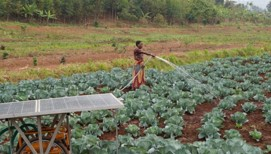
From November 2022 to March 2023, the Rwanda Green Fund (FONERWA), with funding from the Swedish International Development Cooperation Agency (SIDA), commissioned an impact-oriented final evaluation of high-impact green growth and climate resilience initiatives across multiple districts, including Kirehe, Nyagatare, Kayonza, and Rwamagana.
The evaluation focused heavily on clean energy transitions, zero-emission agricultural infrastructure, and climate-resilient water pumping for smallholder cooperatives. Key interventions evaluated included solar-powered water pumping and storage systems, gravity-fed smart greenhouses, zero-emission solar-powered cold rooms, maize drying facilities, and household adoption of clean energy like improved cookstoves and Liquefied Petroleum Gas (LPG).
RCID Ltd executed a rigorous methodological framework combining field verification, cooperative surveys, and quantitative greenhouse gas accounting. The team evaluated the operational efficiency, technical design, and lifecycle emissions of ten major green infrastructure projects, measuring tangible contributions to Rwanda’s Nationally Determined Contributions (NDCs), carbon footprint reduction, job creation, and gender empowerment.
School Commercial LPG Transition & Clean Cooking
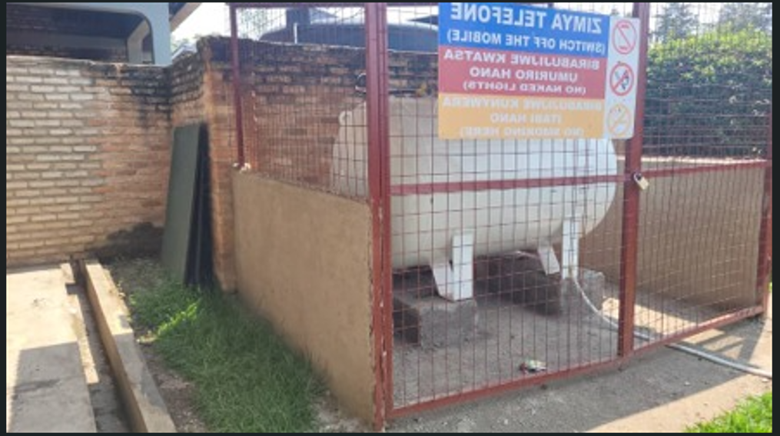
From August 2025 to December 2025, the United Nations Development Programme (UNDP), in partnership with the Rwanda Environment Management Authority (REMA) and funded by the Global Environment Facility (GEF), carried out the terminal evaluation of the Forest Landscape Restoration (FLR) in the Mayaga Region Project.
Implemented across Kamonyi, Ruhango, Nyanza, and Gisagara districts, a critical component of this six-year initiative was transitioning institutional kitchens from wood to clean energy. The project featured the supply and installation of giant commercial Liquefied Petroleum Gas (LPG) stoves for bulk cooking in 20 primary and secondary schools, alongside the widespread promotion of household improved cookstoves to eliminate institutional firewood consumption.
RCID Ltd carried out the comprehensive terminal evaluation using the OECD-DAC criteria to measure relevance, effectiveness, efficiency, sustainability, and impact. The consulting team performed an in-depth Economic Analysis and Cost-Benefit Analysis (CBA) to evaluate the financial profitability, energy efficiency, and operational savings achieved by the schools, establishing key lessons learned to scale institutional clean cooking models under NST2 and SDG goals.
Solar Irrigation & Clean Cooking Credit
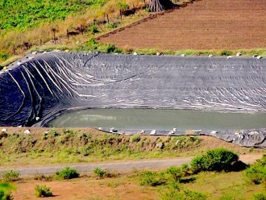
From July 2024 to March 2025, the International Union for Conservation of Nature (IUCN), alongside partners including RFA, ICRAF, World Vision, Cordaid, and Enabel, implemented the TREPA project, a flagship Green Climate Fund (GCF) and GEF initiative aimed at transforming climate vulnerability in Rwanda’s Eastern Province.
The project actively promotes landscape restoration, sustainable forestry, and clean energy solutions to cut firewood consumption and lower greenhouse gas emissions. A key innovation of TREPA is its green financial mechanism, which includes dedicated credit products such as the Hinga Weze Loan for smallholder solar-powered irrigation systems and the Rengera Ibidukikije Loan for agroforestry and clean energy technologies, enabling farmers to replace traditional diesel pumps.
RCID Ltd was contracted to design and execute the Technical Assistance for Annual Landscape Integrity Assessment framework across seven districts. Utilizing high-resolution satellite imagery, ArcGIS Pro, and field sampling protocols, RCID measured biophysical indicators and tree survival rates while auditing the socio-economic adoption, financial performance, and operational effectiveness of these clean energy and solar irrigation loans.
Implementation of LRP under the Rwanda-Burundi 220 kV Interconnection Project (BRIP) – Renewable Energy & Improved Cookstoves Educational Modules
From June 2018 to May 2023, the Energy Development Corporation Limited (EDCL) and Faith Victory Association (FVA), with funding from the African Development Bank (AfDB), executed a Livelihood Restoration Plan (LRP) within the infrastructure development framework of the multinational 220 kV high-voltage power transmission line connecting Rwanda and Burundi.
The project assisted Project Affected Persons (PAPs) in rebuilding and diversifying their economic livelihoods by incorporating a specialized renewable energy component. The intervention focused on training affected rural communities in energy-efficient technologies, biomass reduction, and sustainable agriculture to improve household resilience and combat environmental degradation.
RCID Ltd was commissioned to author, translate, and deliver specialized educational and training modules tailored for these communities. RCID developed comprehensive technical modules on Energy Improved Cooking Stoves Technologies (covering stove construction, thermal efficiency, and proper wood drying) as well as materials on climate-resilient agriculture, kitchen gardening, and post-harvest handling, conducting extensive capacity-building workshops for community facilitators.
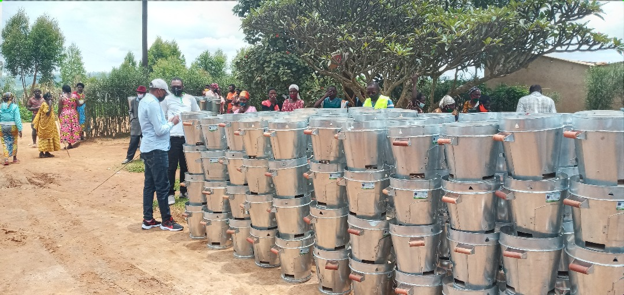
Renewable Energy & Cooking Stove Adoption
From September 2022 to November 2022, Trócaire Rwanda, with funding from Jersey Overseas Aid (JOA), implemented a community-led conservation and climate resilience project in the Nyamagabe and Nyaruguru districts bordering Nyungwe National Park.
The project sought to halt agricultural encroachment and deforestation in one of East Africa’s most critical rainforest biodiversity hotspots by promoting agroecological practices and clean energy solutions among agrarian households. The intervention deployed improved and energy-saving wood and charcoal stoves to low-income families in rural sectors such as Muganza, Munini, and Rusenge, explicitly aiming to curb forest wood collection and lower indoor smoke pollution.
RCID Ltd’s evaluation team carried out a comprehensive Mid-Term and Endline Evaluation of the Biodiversity Protection and Resilient Communities Project. The team surveyed target households and beneficiary groups to determine community adoption rates, reductions in firewood usage, changes in household energy expenditure, and improvements in indoor air quality, delivering an evaluative synthesis with evidence-based recommendations to sustain the initiatives.

"RCID's renewable waste and clean technology projects have advanced sustainable resource recovery, improved circular economic loops, and empowered local communities across Rwanda. Their research and advocacy are making a real difference."